
NDIS Continence Assessment vs Consultation: What's the Difference and Which Do You Need?
Understanding the difference between an NDIS continence assessment and a continence consultation helps participants make informed decisions about their care and funding. Both terms appear regularly in NDIS conversations, yet they refer to distinct processes with different purposes, outcomes, and funding pathways. Knowing which applies to your situation can save time, reduce confusion, and help you access the right supports sooner.
What Is an NDIS Continence Assessment?
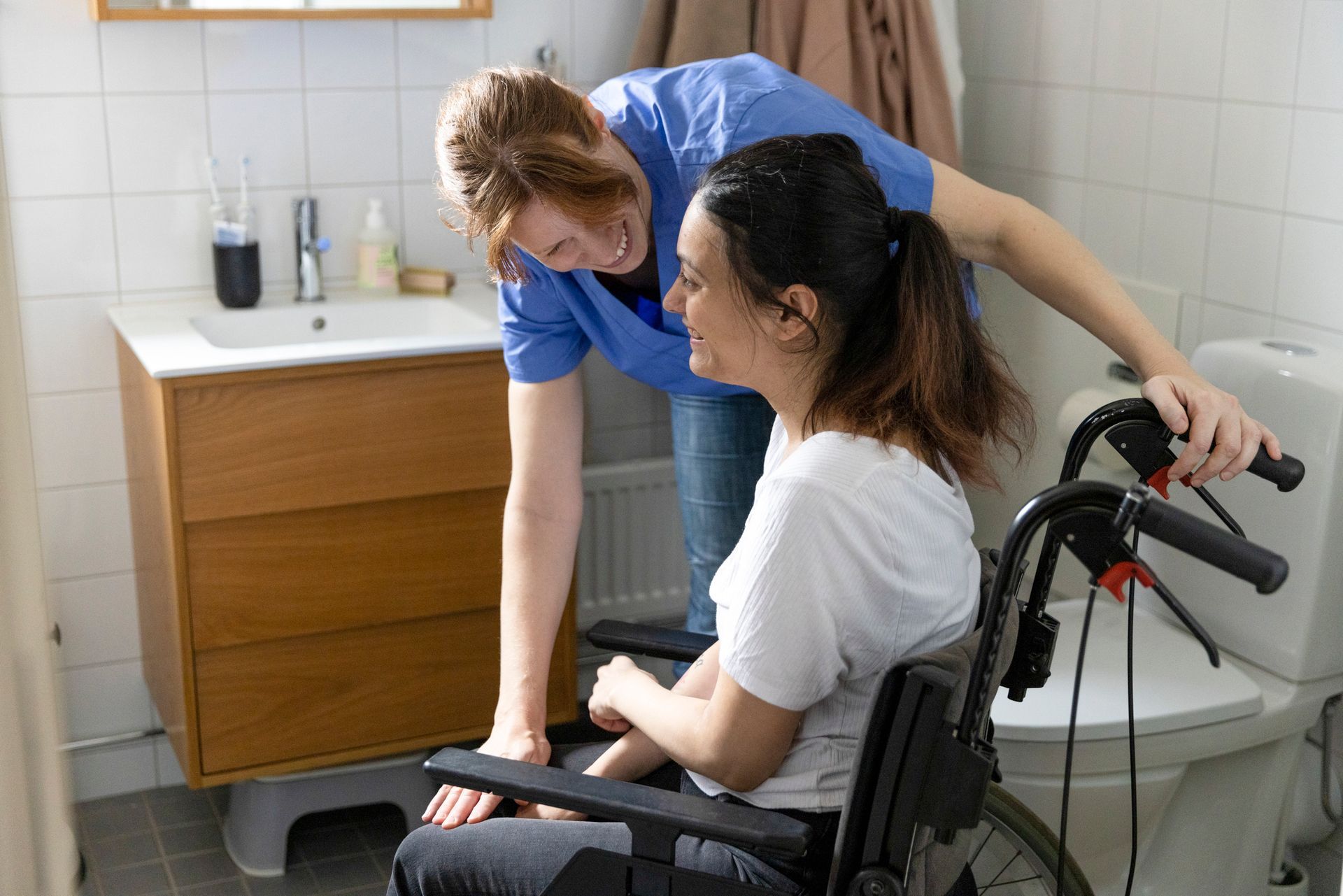
An NDIS continence assessment is a structured, clinical evaluation of a participant's bladder and bowel function. A qualified clinician, such as a registered nurse or continence nurse advisor, conducts the assessment by reviewing medical history, current health status, daily activities, and barriers to managing continence independently.
The assessment results in a formal report that documents specific needs, recommends supports or products, and outlines a tailored management plan. The NDIS uses this report as evidence when deciding what continence-related funding and supports to include in a participant's plan.
Continence nurse assessments in Melbourne, VIC, can often be conducted in the home, which is valuable for participants across the greater metropolitan area who may find clinic attendance difficult.
What Is a Continence Consultation?
A continence consultation is a shorter, more focused interaction. It is a conversation-based appointment rather than a full clinical evaluation. A clinician listens to the participant's concerns, asks questions about their situation, and provides guidance or education based on what is discussed.
Consultations are often used at the beginning of a care journey to help a participant understand whether a full assessment is needed, clarify what NDIS supports may be available, or address a specific question about product use or management strategies.
A consultation typically does not produce a comprehensive clinical report. For this reason, it may not be sufficient on its own to support a formal NDIS funding request.
Key Differences at a Glance
The two processes differ in several important ways. An assessment is a thorough clinical evaluation; a consultation is a guided conversation or advice appointment. An assessment results in a formal written report; a consultation generally does not. An assessment is typically required to access NDIS continence funding or products, whereas a consultation alone is usually not sufficient. An assessment involves a more detailed review of medical records and functional capacity and may take significantly longer. A consultation can be a useful first step to determine whether an assessment is appropriate.
When Do You Need One, the Other, or Both?
Most participants who want NDIS-funded continence products or supports will need a formal assessment. The NDIS requires clinical evidence before funding higher-level continence items, and a comprehensive assessment report provides that evidence.
A consultation may be appropriate when a participant is new to continence care and unsure where to start, or when needs have changed and a quick clinical check-in is needed before organising a full reassessment.
In some situations, you may benefit from both. A consultation can clarify your goals and prepare you for the assessment process, which then produces the report needed to access NDIS funding. Participants across Melbourne and surrounding Victoria may access these services via in-home visits or telehealth.
How the NDIS Funds Each
NDIS funding for continence-related clinical services generally sits under the Capacity Building budget, specifically within Improved Daily Living. This budget category can cover the cost of a formal continence assessment conducted by a qualified clinician.
Ongoing continence products are typically funded through a participant's Core Supports budget, though accessing those products often requires an assessment report to confirm the level of need and prescribe appropriate items.
A brief consultation that does not produce a formal report may have fewer funding pathways available. Discuss this with your support coordinator before booking so you know what your plan will cover.
Frequently Asked Questions About NDIS Continence Supports
Can I Request an NDIS Continence Assessment Without a Referral?
Yes. Participants can self-refer, or a carer, support coordinator, GP, or allied health professional can refer on their behalf.
How Long Does an NDIS Continence Assessment Take?
Time varies by complexity. A thorough assessment, including report preparation, may take several hours for participants with complex histories.
Will the Assessment Report Help Me Get More Funding?
Yes. The report documents clinical need and recommends specific products or supports, which the NDIS uses to determine funding levels.
Can Assessments Be Done at Home in Melbourne?
Yes. In-home assessments are available across Melbourne. Telehealth options are also available for consultations and initial conversations throughout Victoria.
Ready to Take the Next Step With Continence Support?
A qualified continence nurse can help clarify what you need and guide you through the process from there.
Dreamcare121 provides NDIS continence assessments and consultations for all ages, delivered in-home and via telehealth for participants across Melbourne and Victoria. The team includes registered nurses and continence nurse advisors who produce thorough reports to support your NDIS plan. Visit the continence support page for more detail, or get in touch with the team to ask a question or make a referral. You can also explore the team's work and reviews directly on Dreamcare121.